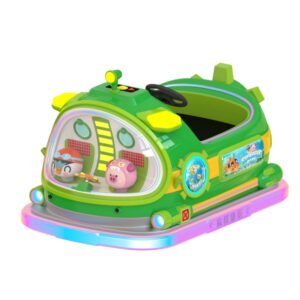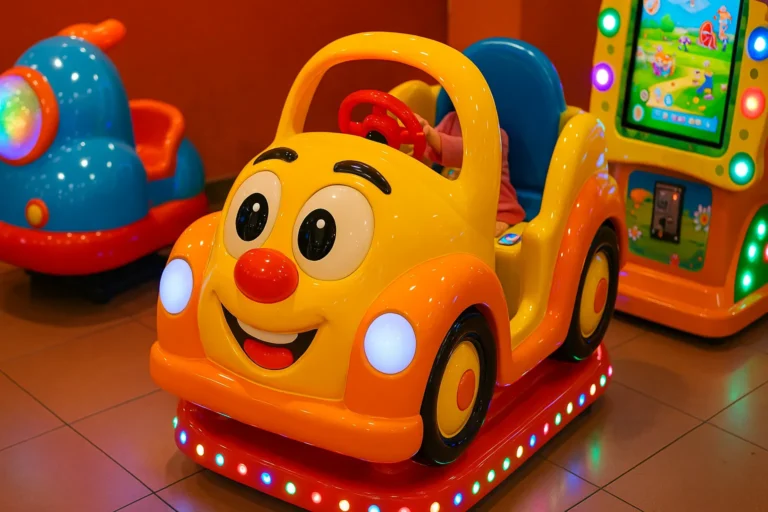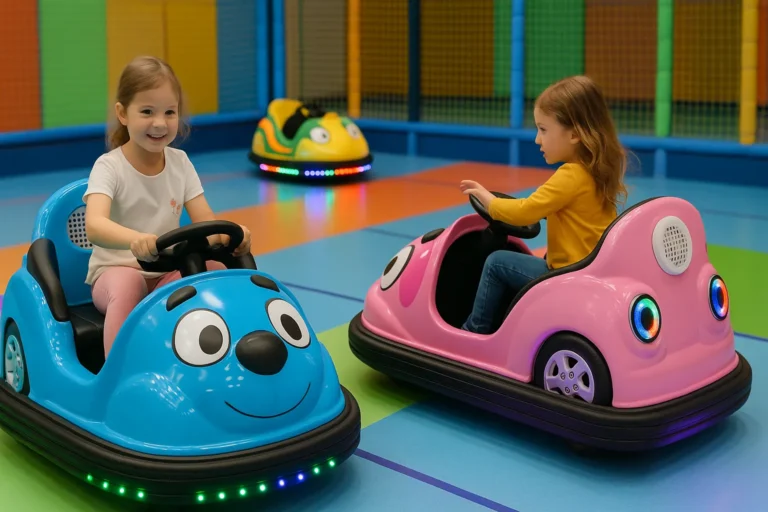
Which Construction Solutions for Children’s Ride-On Game Areas Work Best in Different Spaces? 🏗️
Design begins with realistic constraints: available square footage, ceiling height, visitor flow, and your staffing model. Below are three proven construction solutions for children’s ride-on game areas:
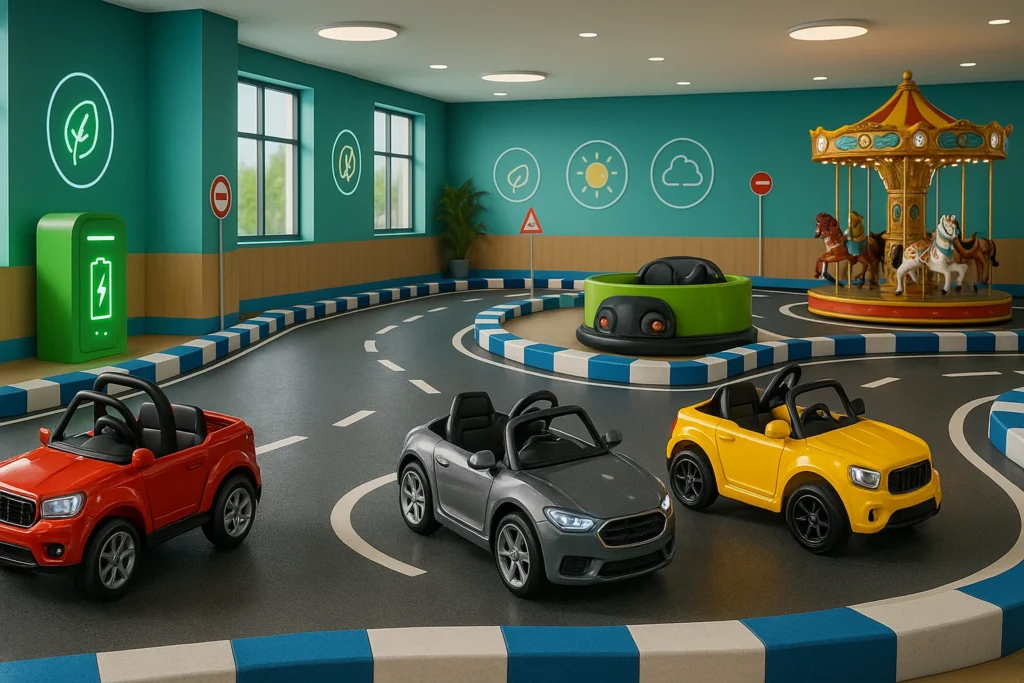
1) Loop Track with Themed Streets — Is a One-Way Circuit the Safest, Most Efficient Layout?
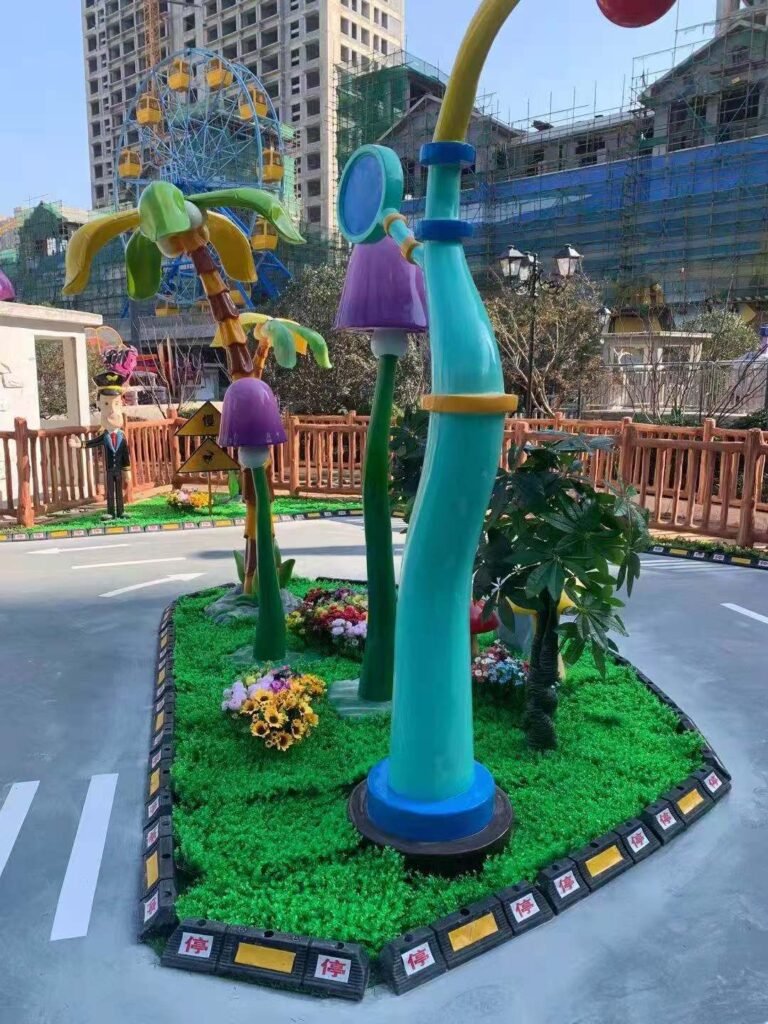
A one-way asphalt-style loop with painted lanes minimizes head-on conflicts and simplifies staff supervision. It also supports progressive game modes: timed laps, “fuel stop” missions, and traffic-light obedience drills. Add curb islands, mini “shops,” and crossings for immersive storytelling that increases dwell time and spend.
Why it works: predictable flow, higher throughput, easier training for new riders.
2) Modular City Blocks — Can You Fit a Smart Micro-City Into Odd-Shaped Rooms?
Yes. Modular foam curbs, removable traffic signs, and flexible rubber tiles let you bend “streets” around columns or blend with other attractions. You can start small and expand later without heavy construction—ideal for seasonal venues or landlords with strict build rules.
Why it works: custom scalability, rapid install, less CAPEX risk.
3) Hybrid Arena for Mixed Vehicles — How Do You Combine Ride-On Cars, Bumper Cars, and a Small Carousel?
Place the bumper cars inside a padded inner ring, the carousels at a corner as a low-motion option for toddlers, and the battery cars on the perimeter streets. This zoning separates speeds and age groups while maximizing ticket categories and upsells.
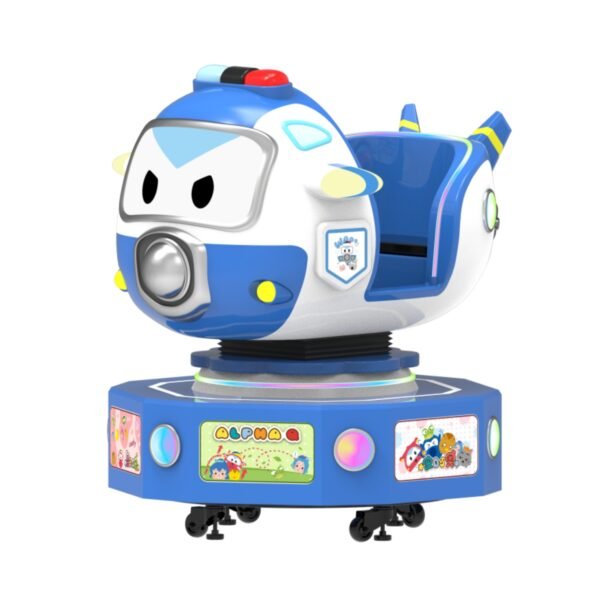
Which Colors of Children’s Ride-On Cars Are More Popular—and Why Does Color Matter for Revenue? 🎨
Color drives first choice, queue behavior, and even photo virality. In our deployments, the following palettes consistently outperform:
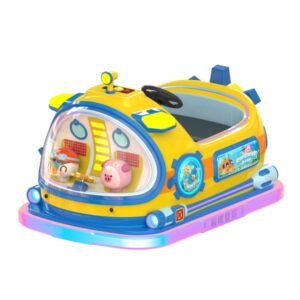
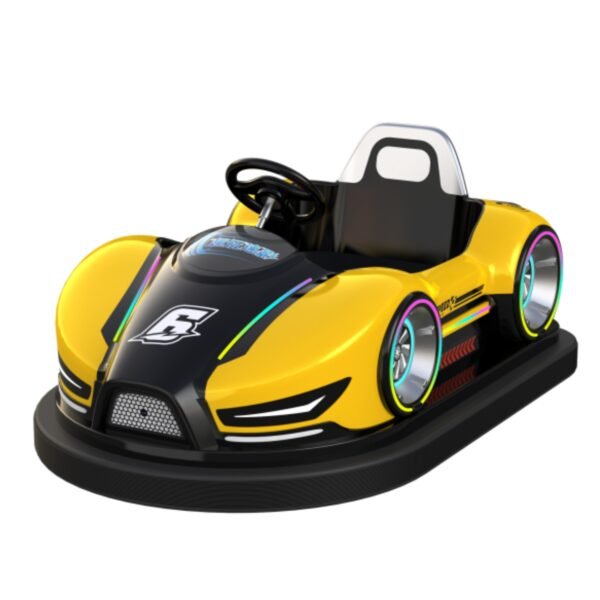
- Primary Brights (🔴🔵🟡): Immediate visibility, strong “toy” appeal for ages 3–7.
- Metallic Automotive (🩶🚘): Silver, graphite, cobalt—appeal to older kids who want a “real car” look.
- Character-Themed Accents (💚💜): Neon trims, racing stripes, or police/firefighter motifs boost role-play demand.
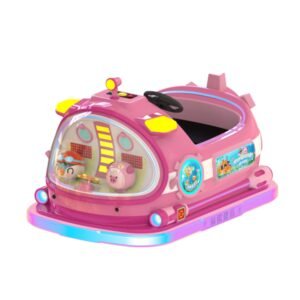
- Pastel Sets (🩷🩵): Gentle tones for toddler zones and caregiver-approved “cute” photos
How to Ensure the Quality of Electric Ride-On Cars Manufactured by Chinese Suppliers? 🇨🇳🧪
🔎 What Pre-Purchase Documentation Should You Require?
- Bill of Materials (BOM): Motor rating, controller specs, battery chemistry/capacity, charger safety features.
- Material Certificates: UV-resistant plastics, sun-resistant paints, waterproof gaskets, impact-resistant bumpers.
- Test Reports: Drop tests (drop-proof), ingress protection (IP for waterproof), electromagnetic compatibility, and child-safe finishes.
🧩 What Production Controls Protect Your Investment?
- Incoming Quality Control (IQC): Cells and power supply modules are sampled for internal resistance and capacity.
- In-Process QC: Torque checks on axles, wire harness strain relief, heat-shrink coverage near motor and controller.
- Final QC: Functional tests (forward/reverse, braking, horn, lights, steering), runtime validation for long battery life (at least 60–90 min of mixed driving is typical).
🏭 What Build Materials Deliver Durability?
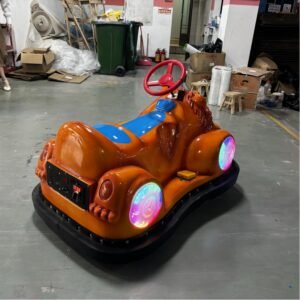
- Made of fiberglass structure with interactive sensing devices. Fiberglass shells resist chipping, are impact-resistant, sun-resistant, and waterproof, and hold color better than many ABS blends.
- Chassis: Powder-coated steel with rounded edges and protected welds for drop-proof reliability.
- Tires: Solid rubber or foam-filled for puncture avoidance and noise damping.
♻️ How to Keep It Eco-Friendly and Safe?
- Environmentally friendly paints and finishes; low-noise motors; sealed, eco-friendly battery choices with compliant chargers and recycling plans.
- Smart chargers with automatic cutoff to protect cells and reduce energy waste.
What Types of Children’s Game Areas Are Suitable for Bumper Cars and Carousels Alongside Ride-Ons? 🎠
To broaden age appeal and increase per-capita spend, integrate these classics smartly:
- Soft-Play + Toddler Carousel: A gentle carousel captures families with 2–4-year-olds who can’t yet drive.
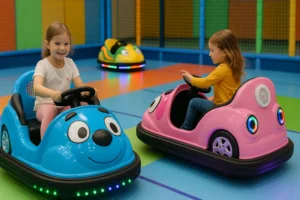
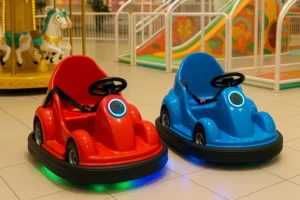
- LED Bumper Car Pen: A compact bumper zone adds high-energy thrills for 6–10-year-olds.
- “Traffic School” Corner: Role-play kiosks (parking, gas, car wash) increase photo ops and repeatable tasks.
- Themed Mission Routes: Collect digital stamps via interactive sensing devices on street signs, redeemable for small prizes—gamifying the system without screens.
How Do You Plan Charging, Staffing, and Safety for Peak Throughput? 🧰
⚡ Charging & Power: What’s the Right Power Supply Plan?
- Swappable battery carts near the pit lane keep cars online—no downtime.
- Smart multi-bank chargers with balanced current prevent cell stress and extend long battery life.
- Floor power trunks or overhead reels reduce cable clutter and tripping hazards.
👷 Staffing: What Ratio Keeps Lines Moving?
- 1 marshal per 6–8 cars is a reliable baseline.
- Use a briefing mat with pictograms so kids grasp rules in 20–30 seconds.
- Color-coded wristbands = “ride slots,” easing crowd control and making throughput visible.
🛡️ Safety: What Daily Checks Are Non-Negotiable?
- Brake test, steering free-play, tire wear, kill-switch test, and battery temp check after charging.
- Edge padding audit on curbs and islands; signage visibility check; emergency egress clear.
What Are the Real-World Pros & Cons of Battery Ride-Ons vs. Bumper Cars vs. Carousels? 📊
| Option | Key Strengths ✅ | Considerations ⚠️ | Best Use Cases |
|---|---|---|---|
| Battery Ride-On Cars | Realistic driving, educational missions, latest themes; strong photo shareability; modular design | Requires charging plan; more lane supervision | “Mini-city” streets, retail FECs, pop-ups |
| Bumper Cars | High-energy collisions, simple rules, quick turns | Limited educational value; floor prep needed | Party packages, tween groups |
| Carousels | Inclusive for toddlers, iconic visual anchor | Lower per-minute excitement for older kids | Mixed-age venues, atrium centerpiece |
How Do You Future-Proof With Interactive Technology—Without Overcomplicating Operations? 🧠✨
- RFID missions: Kids “scan” street signs to start/finish quests; the system logs points without screens.
- Projection lanes: Optional game overlays (arrows, coins) guide traffic and create seasonal themes.
- Data dashboards: Simple counters (rides/hour, average queue) help staffing and schedule tweaks.
- API-ready controllers: Choose cars whose controllers accept standardized signals—easier custom content later.
Are These Systems Truly Eco-Friendly and Safe for Daily High-Traffic Use? ♻️
Yes—when you specify the right materials and power supply strategy. Fiberglass shells are environmentally friendly in longevity (fewer replacements), sealed electronics and waterproof connectors cut failures, and low-noise brushless motors keep acoustics family-friendly. With smart charging and proper runtime rotation, you’ll maintain long battery life while reducing energy waste. Our solutions emphasize eco-friendly finishes, robust ventilation, and low-VOC paints to support healthier indoor air.
Budgets vary with size and theming. A starter loop (6–8 cars, signage, charging bay) typically targets a mid-tier price range; hybrid builds with the latest themed props, bumper zone, and carousel add CAPEX but raise revenue. Ask for a custom quote from our supplier/manufacturer team to match your site and demand model.
Quality lithium packs with smart BMS and proper power supply deliver long battery life (commonly 60–120 minutes of mixed driving). Runtime depends on rider weight, speed limit, and floor friction.
For semi-outdoor setups, choose shells and connectors rated for light moisture (waterproof seals) and UV (sun-resistant coatings). Always shelter chargers and provide airflow.